AUCTORES
Globalize your Research

Research Article | DOI: https://doi.org/10.31579/2692-9759/184
1Riggs Pharmaceutical Department of Pharmacy university of Karachi, Pakistan.
2GD Pharmaceutical Inc OPJS University Rajasthan India.
3Dow University of Health Sciences Karachi, Pakistan.
*Corresponding Author: Rehan Haider, Riggs Pharmaceutical Department of Pharmacy university of Karachi, Pakistan.
Citation: Rehan Haider, Geetha K. Das, Zameer Ahmed, Sambreen Zameer, (2026), Honey for Cardiovascular Diseases, Cardiology Research and Reports, 8(1); DOI:10.31579/2692-9759/184
Copyright: © 2026, Rehan Haider. This is an open-access article distributed under the terms of the Creative Commons Attribution License, which permits unrestricted use, distribution, and reproduction in any medium, provided the original author and source are credited.
Received: 22 December 2025 | Accepted: 02 January 2026 | Published: 19 January 2026
Keywords: honey; cardiovascular sicknesses; antioxidant; anti-inflammatory; endothelial function; ldl cholesterol; atherosclerosis; sustainable healthcare; developing countries; continual disorder control
Honey, a natural substance wealthy in bioactive compounds, has lengthy been used in conventional medicinal drug for its therapeutic homes. This paper explores the capacity of honey as a complementary treatment for cardiovascular diseases (CVDs), emphasizing its sustainable and available nature, in particular in developing nations. Honey’s various composition, consisting of flavonoids, phenolic acids, and antioxidants, contributes to its cardio protective outcomes. Those compounds had been shown to lessen oxidative strain, inhibit lipid peroxidation, and enhance endothelial function, all of which might be key elements within the prevention and control of CVDs.]
Similarly to its antioxidant houses, honey has demonstrated anti inflammatory and antimicrobial consequences, which further guide its position in cardiovascular health. Research recommend that normal consumption of honey may additionally help in regulating blood pressure, decreasing levels of cholesterol, and decreasing the risk of atherosclerosis. These advantages make honey a promising natural remedy for CVDs, providing a low priced and sustainable method to healthcare, especially in areas with restrained get entry to traditional treatments.
This assessment objectives to highlight the role of honey in cardiovascular disorder control, with an emphasis on its software in useful resource-restrained settings. by means of integrating honey into preventive and therapeutic techniques, there is capability to reduce the weight of CVDs, particularly in developing countries, in which continual sickness control regularly faces economic demanding situations.
Honey, “a sweet and viscous fluid with a unique flavor” (Farooqui 2009),[1} is a plant product that is produced via honeybees. Honeybees gather nectar and sap from various lower and timber and blend them with enzymes (transglucosylase and glucose oxidase) which are secreted from their very own glands (Molan 2006){2.} Transglucosylase breaks the glycosidic bond of sucrose and therefore catalyzes the hydrolysis of sucrose into glucose and fructose. Glucose oxidase catalyzes the oxidation of some of the glucose, forming gluconic acid and hydrogen peroxide (H2O2). Honeybees evaporate the maximum of the water from the nectar by fanning the honeycomb through their wings, resulting in the focused solution of honey. Antimicrobial properties of honey are due to its excessive osmolarity, low pH, and H2O2contents (Molan 2006). Honey is usually used by people as a sweetener; but, it also offers many medicinal uses described in traditional medication. The therapeutic homes of honey depend upon phytochemicals derived from nectar and sap. Honey is efficacious in various scientific and surgical methods because of the presence of a wide variety of phenolic components that exert many biological activities, together with antioxidant, anti-inflammatory, and immunomodulatory activities. Thus, medicinal residences of honey rely upon its chemical composition, which varies depending on the botanical supply, geographical region, seasonal series time, and production techniques (Ball 2007){3}. Honey gets its sweetness from the monosaccharides, “easy” 6-carbon sugars such as fructose and glucose. Different sugars encompass maltose (a 12-carbon sugar composed of glucose molecules) and sucrose (a 12-carbon sugar composed of glucose and a fructose molecule). In contrast to table sugar, honey includes acids, minerals, nutrients, and amino acids in various quantities. Honey has an exceptional flavor and is 40 denser than water with a density of 1.4 kg/L. maximum microorganisms do no longer develop in honey due to its low water content and excessive acidity (pH 3. nine). Honey also includes an herbal resinous substance (propolis), which is accumulated by way of honeybees, especially from poplar bud exudates. Propolis protects honeybees from bacterial/viral infections. It is applied in cosmetic and nutraceutical formulations. The antimicrobial homes of propolis make it a legitimate agent for treating higher respiration tract infections (De Vecchi and Drago 2007; Farooqui and Farooqui 2010).{4,5} Propolis extracts have an extensive multispectrum of activities, together with anti-inflammatory, anesthetic, healing, vasoprotective, antioxidative, antitumoral, anti-ulcer, hepatoprotective, cardioprotective, and neuroprotective residences (De Vecchi and Drago 2007; Farooqui and Farooqui 2010, 2012a,b,c){6,7,8}. Propolis is rich in flavonoids; consequently, it exerts sturdy antioxidant activities. In rat coronary heart mitochondria, polyphenols extracted from propolis show free radical scavenging interest and guard in opposition to the per oxidative harm prompted by doctorsbegin toxicity (Alyane et al. 2008{9}. This observation shows that the cardioprotective outcomes of propolis are because of its polyphenols, which encompass flavonoids and phenolic acids. The intake of natural honey reduces cardiovascular hazard factors, inclusive of total cholesterol, low-density lipoprotein (LDL), triacylglycerol, body weight, fasting blood glucose, and C-reactive protein, especially in subjects with multiplied aerobic vascular risk factors (Yaghoobi et al. 2008){10}, supporting the view that honey exerts therapeutic interest in opposition to cardiovascular disease.
Cardiovascular illnesses contribute to multiple 0.33 of deaths in the United States and high mortality prices around the sector. It has been speculated that the vehicle cardiovascular diseases may be the primary reason for the loss of life all through the globe by the advent of 2020. Gathering proof indicates that reactive oxygen species (ROS)-mediated oxidative pressure, which alters many features of the endothelium, may be the foremost contributing issue to cardiovascular diseases and demise (Steinberg 1997; Cai and Harrison 2000; Griendling et al. 2000; Heitzer et al. 2001; Tousoulis et al. 2011).{11 ,12,13,14}Therefore, polyphenols of the plant starting place are exploited for the treatment of acute and chronic unfastened radical-mediated diseases(Doner 1977; Halliwell 2007; Benguedouar et al. 2008; Rakha et al. 2008; Jaganathan et al. 2010; Omotayo et al. 2010){15,16,17,18,19,20}. The purpose of this overview is to explain the chemical composition, threat elements of cardiovascular diseases, and cardioprotective outcomes of honey and to speak the capacity molecular mechanism(s) underlying the therapeutic outcomes of honey for the treatment of cardiovascular diseases
Composition Of Honey
As stated above, the chemical composition of honey is based on the botanical and geographical origins of the nectar. Carbohydrates are the main contents of honey, comprising approximately 95% of its dry weight (Siddiqui 1970; Doner 1977; Bogdanov et al. 2008). {21,22} Honey carbohydrates encompass particularly monosaccharides (38% fructose and 31% glucose), 5% disaccharides, and 3% oligosaccharides (sucrose, maltose, trehalose, and turanose) (Figure 9.1). Due to its high carbohydrate content material, honey is considered as an extraordinary source of strength. Depending on the botanical starting place, the glycemic index of honey varies from 32 to 91 (Bogdanov 2010){23}. crucial minor contents of honey are proteins (especially enzymes, unfastened amino acids), minerals, and other minute quantities of constituents inclusive of vitamins and polyphenols (Table 9.1) that account for honey’s health-promoting results (Bogdanov 2010; Vorlova and Přidal 2002; Sánchez et al. 2001){24 ,25}Honey incorporates numerous enzymes consisting of α-glucosidase (invertase), α- and β-amylase (diastase), glucose oxidase, catalase, and acid phosphatase, which assist digestion and assimilation (Vorlova and Přidal 2002). The primary enzymes in honey are α-glucosidase, glucose oxidase, and a mixture of α- and β-amylases (diastase), which have been introduced to honey via bees for the duration of honey production (table 9.2). The excretion of α-glucosidase is needed during the process of honey ripening and depends on the age and physiological level of honeybee, condition of colony, temperature, and depth or kind of honey low (Sánchez et al. 2001). Amylase and glucose oxidase are expressed in the hypopharyngeal glands of forager bees. Those carbohydrate-metabolizing enzymes are wanted to technique nectar into honey (Shepartz and Subers 1964; Ohashi et al. 1999; Babacan and Rand 2005, 2007){26,27.} Catalase and acid phosphatase in honey are notion to be derived from the plant source: nectar and pollen. Catalase decomposes H2 O2 into H2O and O2. Consequently, the presence of catalase in honey may also produce a lower antibacterial interest produced through glucose oxidase pastime (Huidobro et al. 2005){28}. Moreover, variation in H2 O2 production may be related to the presence or absence of catalase in the nectar or within the pollen from a particular plant species. Acid phosphatase is an enzyme that eliminates phosphate agencies from food molecules
• Fructose: 38%
• Glucose: 31%
• Water: 17%
• Other Sugars: 9%
• Vitamins, Minerals, and Amino Acids: 5%

Figure 1: General composition of Honey.
| Component | Concentration Range | Function/Importance |
|---|---|---|
| Amino Acids | Trace amounts (0.1–0.5%) | Vital for protein synthesis and overall metabolism. |
| Vitamins (B complex, C) | Trace amounts | Antioxidant properties, supports immune function. |
| Minerals (Potassium, Calcium, Iron, etc.) | 0.1–0.2% | Essential for maintaining various bodily functions. |
| Organic Acids (Acetic, Citric, etc.) | 0.17–1.17% | Contribute to the acidity and flavor of honey. |
| Enzymes (Invertase, Amylase, etc.) | Trace amounts | Facilitate digestion and contribute to honey’s healing properties. |
| Phenolic Compounds | Trace amounts | Antioxidant properties, support for cardiovascular health. |
| Flavonoids | Trace amounts | Anti-inflammatory and antioxidant activities. |
| Proline | Trace amounts (50–500 mg/kg) | Influences honey's ripeness and quality.
|
Table 1: Minor Contents of Honey
| Enzyme | Classification | Function/Importance |
|---|---|---|
| Invertase | Major | Converts sucrose into glucose and fructose, aiding digestion. |
| Diastase (Amylase) | Major | Breaks down starches into simpler sugars. |
| Glucose Oxidase | Major | Produces hydrogen peroxide, contributing to honey’s antimicrobial properties. |
| Catalase | Minor | Breaks down hydrogen peroxide, reducing oxidative stress. |
| Phosphatase | Minor | Involved in breaking down organic phosphate compounds. |
| Protease | Minor | Breaks down proteins into peptides and amino acids. |
| Alpha-Glucosidase | Minor | Hydrolyzes terminal glucosidic bonds in carbohydrates. |
| Lipase | Minor | Breaks down fats into fatty acids and glycerol. |
Table 2: Major and Minor Enzymes in Honey
a Any individual enzymes brought to sweetheart through bees.
b various enzymes situated in honey are in inferior portions.
During the whole of digesting. Values of acid phosphatase in Darling were associated with sweetheart’s effervescence (Alonso-Torre and others. 2006).
As said above, sweet still includes phenolic acid, at the side of caffeic acid, caffeic acid phenyl esters (CAPE), and an extensive difference of flavonoids (Table 4).accordingly, honey applies antioxidant, antagonistic-inflammatory, antiatherogenic, antithrombotic, immunomodulating, and pain remover sports (Gómez-Caravaca et al. 2006){29}.considerable differences inside the arrangement and content of phenolic compounds were found in extraordinary unilateral honey (Amiot and others. 1989). Distinct and multiple elements can nicely mean the horticultural and terrestrial origins of the darling (Wang and Li 2011). Flavonoids are capped into sweet from propolis, nectar, or irritant. Flavonoids (containing quercetin, luteolin, kaempferol, apigenin, chrysin, galangin, acacetin, pinocembrin, pinobanksin, caffeic acid, and CAPE) were submitted as specific flags for the botanical offset place of the sweetheart (TomásBarberán and others. 1993; Blasa et al. 2007; Bogdanov and others. 2008; Viuda-Martos and others.2008; Jaganathan and Mandal 2009){30}. In a current evaluation of flavonoids in honey done by overdone-act liquid chromatography coupled with coulometric terminal array discovery and electrospray ionization bulk spectrometry, it's proven that galanin, kaempferol, quercetin, isorhamnetin, and luteolin are discovered comprehensively honey, while hesperetin is driven simplest in dud and bittersweet honey andnaringenin in a dud, orange, rhododendron, rosemary, and bright red color blossom honey, suggesting that flavonoid cargo and profiles of miscellaneous forms of honey (table 9.3) may additionally differ considerably (Ferreres et al. 1993, 1994a,b, 1996, 1998; Cherchi and others.1994; Tomás-Barberán and others. 2001; Hamdy and others. 2009; Petrus and others. 2011). Due to Differences in botanical and geographical origins, flavonoid content material, and flavonoid concentration, critical problems are raised regarding the satisfaction and protection of honey when considering its healing interest.
Class Of Honey Flavonoids
In standard, flavonoids are composed of 15 carbons, benzene earrings (A and C) linked with the aid of a six-member ring (B). Flavonoids arise as aglycones, glycosides, and methylated derivatives. The primary flavonoid subgroups are flavonol, lavone, lavan-3-ol, lavanone, isolavone, and anthocyanidin (Jaganathi and Crozier 2010). Flavonoid classification is based totally on the modifications within the significant C-ring (figure 9.2). Flavones have a spine of two-phenyl-1-benzopyran-four-one. This magnificence consists of compounds along with chrysin, apigenin, and luteolin. Flavonols are structurally similar to flavones, except for the presence of a hydroxyl organization on the three-position within the C-ring (3-hydroxylavone spine). Examples of flavonols are compounds which include galangin, quercetin, and kaempferol. Flavanones vary from flavonols by way of the absence of a hydroxyl group on the 3-function in the C-ring and a C2–C3 double bond. Herbal honey incorporates all subclasses of flavonoids, such as lavonol, lavone, lavan-3-ol, lavanone, isolavone, and anthocyanidin.
Flavanones are typically glycosylated via a disaccharide on the seventh role of the A-ring. Flavanones include pinostrobin, pinocembrin, hesperetin, pinobanksin, and naringenin. Flavan-3-ols belong to a structurally maximum complex subclass.
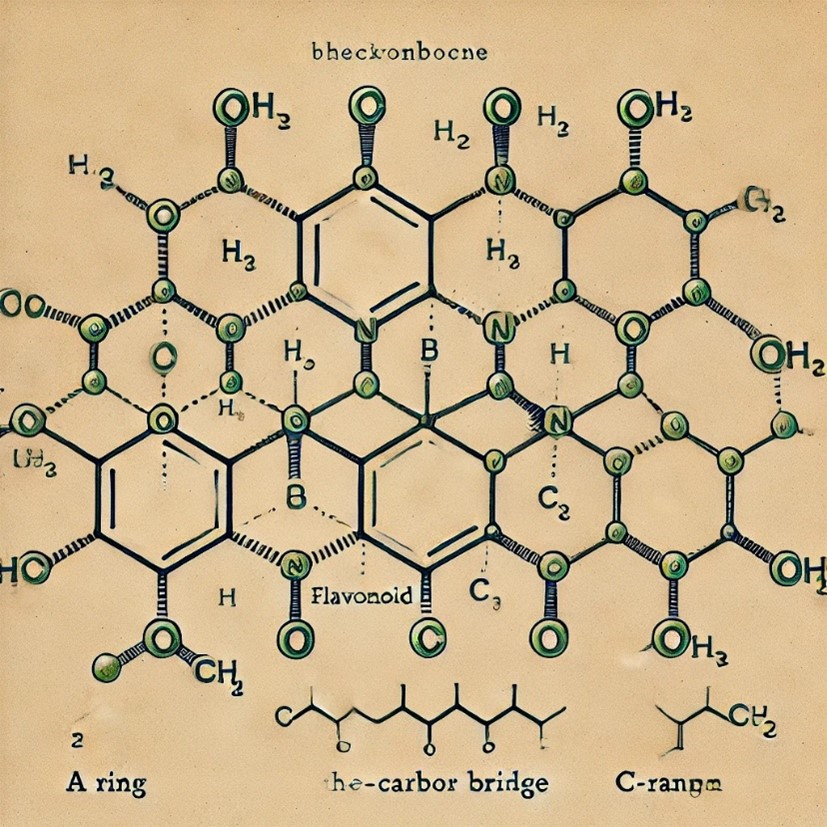
Figure 2: Backbone Of Flavinoids.
Of flavonoids, which vary from the simple monomers (+)-catechin and its isomer (–)-epicatechin to the oligomeric and polymeric proanthocyanidins (Jaganathi and Crozier 2010). In is flavones, the B-ring is hooked up on the three-function in place of the two-function of the C-ring. The primary examples are genistein and daidzein. The anthocyanidins are aglycones of anthocyanin glycosides (sugar is hooked up on the 3-role on the C-ring or the fifth position of the A-ring) based on the lavylium ion or 2-phenylchromenylium, a type of oxonium ion. Because of this effective charge, anthocyanidins differ from different flavonoids. 3-Deoxyanthocyanidins lack hydroxyl institution at the 3-function inside the C ring. The stability of anthocyanidins depends on pH. They may be colored at a low pH and colorless at an excessive pH (Woodward et al. 2009). Examples of anthocyanidins include cyanidin, pelargonidin, delphinidin, and luteolin.idin, malvidin, and petunidin. The maximum critical flavonoids of honey, which are derived from propolis, include apigenin, galangin, chrysin, quercetin, CAPE, luteolin, pinocembrin, pinobanksin, acacetin, and kaempferol (Figure 9.3. rising evidence indicates that honey exhibitis a large spectrum of organic sports, implicating many beneficial consequences; however, only a few of them were supported by way of clinical and experimental proof

Figure 3: Main flavonoids observed in honey: Kaempferol (a), pinostrobin (b), quercetin (c),pinobanksin (d), apigenin (e), chrysin (f), galanin (g), pinocembrin (h), acacetin (i), CAPE (j), and caffeic acid ). (resources: Estevinho et al. 2008; Rakha et al. 2008; Viuda-Martos et al. 2008; Alvarez-Suarez et al. 2010; Khalil et al. 2010; Omotayo et al. 2010; Khan et al. 2011).
Biological Activities of Honey
Organic sports of honey are in particular attributed to flavonoids and phenolic acids. These sports (desk nine.4) may additionally markedly range in special plenty of honey relying on its flavonoid elements. The mechanism of action of honey isn't always absolutely understood. But, honey has been widely used all through the sector as a “healing medicinal drug” and its healing strength is probably based totally on the following organic activities.
Antibacterial Activity of Honey
Flavonoid and phenolic acids in honey exert antibacterial pastime (Wahdan 1998; Cushnie and Lamb 2005). Honey has hygroscopic houses, which means that it can reduce the microorganisms because of its hyperosmolar residences (Molan 2001, 2006; Molan and Betts 2008). Inside the organic assays, Staphylococcus aureus is observed to be one of the maximum sensitive microorganisms to the antimicrobial activity of honey extracts, whereas other microorganisms, inclusive of Bacillus subtilis, Staphylococcus lentus.
| Flavonoids | Group | Cardioprotective Effects |
|---|---|---|
| Naringenin | Flavanone | Antiatherogenic |
| Pinocembrin and Hesperetin | Flavanone | Vasorelaxing |
| Acacetin, Apigenin, Chrysin, and Luteolin | Flavone | Vasorelaxing |
| Apigenin | Flavone | Cardio myocyte cytoprotective effect |
| Quercetin and Kaempferol | Flavonol | Reduces blood pressure in hypertensive subjects |
| Quercetin | Flavonol | Antiplatelet activity |
| Luteolin and Chrysin | Flavone | Inhibition of atrial fibrillation |
| Quercetin | Flavonol | Endothelium-independent and endothelium-dependent relaxation of coronary arteries |
| Hesperetin | Flavone | Protection of endothelium-dependent relaxation of aorta against oxidative stress |
| Syringetin | Flavanone | Inhibition of lipid peroxidation and induction in the expression of antioxidant enzymes in diabetic heart |
| Acacetin | O-methylated flavonol | Antiarrhythmic activity |
| Kaempferol | Flavonol | Chelation of intracellular iron and suppression of OH• radical production |
| Apigenin | Flavone | Chelation of intracellular iron and suppression of OH• radical production |
| CAPE | Caffeic acid phenethyl ester | Protection against oxidative stress and inflammation |
Table 3: Cardioprotective Effects of Flavonoids from Honey.
Klebsiella pneumoniae, and Escherichia coli, are moderately touchy (Estevinho et al. 2008). Honey reduces infection and complements wound healing in burns, ulcers, and other diabetic wounds with their dressings (Eddy et al. 2008; Makhdoom et al. 2009).
The antimicrobial interest of a few honey preparations also relies upon the endvenous H2 O2, which is produced by using the bee-derived glucose oxidase (Brudzynski 2006). Therefore, endogenous H2 O2 levels of honey can be used as a robust predictor of its antibacterial interest. Furthermore, the low pH of honey is another important component that may be answerable for inhibiting and blocking off the increase of many pathogenic microorganisms. within the case of H2 O2-based honey preparations, antibacterial results depend upon the stableness of glucose oxidase hobby, which is modulated by using several factors, which include pH, mild, and temperature; however, non-peroxide anytime microbial pastime is greater intently related to the loral source (White and Subers 1964; Irish et al. 2011). Collective proof indicates that the low water pastime and acidic nature of honey lead them to incorrect media for a bacterial boom; therefore, many (forms of) honey can be used as potential antibacterial marketers to light infections.
Anti Inflammatory Activity Of Honey
The anti-inflammatory homes of honey are because of the presence of propolis. As stated earlier, honey is rich in flavonoids that exert its anti-inflammatory activity. However, the molecular mechanisms of the way the flavonoids show off their anti- the inflammatory hobby has no longer been clarified. The anti-inflammatory motion of honey has been proven to reduce edema in addition to the number of exudates used to regulate the inflammatory procedure. Honey reduces both pain and pressure across the tissue by way of downregulating the inflammatory manner (Lee et al. 2003). Flavonoids, consisting of chrysin and quercetin, show similar anti-inflammatory activity through different mechanisms due to the fact chrysin suppresses the lipopolysaccharide (LPS)-induced cyclooxygenase (COX)-2 protein and its mRNA [removed]Woo et al. 2005), while quercetin inhibits inducible nitric oxide (NO) synthase (NOS) expression with the aid of lowering NO production in endotoxin/cytokine-inspired microglia (Kao et al. 2010). The anti-inflammatory effect of CAPE is through its inhibition of LPSbrought about upregulation of the tumor necrosis aspect (TNF)-α and interleukin (IL)-8production, resulting in the suppression of IκBα degradation (tune et al. 2008). Low concentrations of CAPE suppress osteoclast genesis and bone resorption through the inhibition of nuclear component (NF)-κB activation and nuclear issue of activated T-mobile hobby (Ang et al. 2009), implicating that honey may be used for the treatment of osteocytes bone diseases. recently, it's been mentioned that structurally associated flavonoids (including apigenin and luteolin) significantly inhibit TNF-α–prompted NF-κB transcriptional activation without changing the degradation of IκB proteins and the nuclear translocation and DNA-binding activity of NF-κB p65 (FunakoshiTago et al. 2011). The suppression of NF-κB activation mediated by way of these flavonoids is because of the inhibition of the transcriptional activation of NF-κB. Apigenin and luteolin barely inhibit TNF-α–prompted c-Jun N-terminal kinase (JNK) activation but display no impact on TNF-α–brought on activation of extracellular sign-regulated kinase (ERK) and p38. However, isetin enhances and sustains activation of ERK and JNK but no longer p38 in reaction to TNF-α. Moreover, the administration of apigenin and luteolin markedly inhibits acute carrageenan-induced paw edema in mice. But, fisetin fails to have such an effect, suggesting that a slight structural distinction in flavonoids may motivate differences in anti-inflammatory responses. The effects of honey and its extracts were lately tested on inflammation in rats. it is reported that honey and honey extract no longer best inhibit edema and aches in inflamed tissues but also produce strong inhibitory activities towards NO and prostaglandin E2 (Kassim et al. 2010a,b).
Mmunomoulatory Activity Of Honey
Immunity is designed to work because the body's defense device against invading germs and microorganisms. Therefore any dysfunction within the immune machine might also lead to infections and illnesses. White blood cells (leukocytes) belong to the immune protection device. There are two types of leukocytes: (1) phagocytes that play a position in chewing up the invading organisms and (2) lymphocytes (B and T lymphocytes) that assist the body in remembering, recognizing, and destroying the preceding invaders. Honey impacts diverse factors of immunity by exerting immunomodulatory (immunostimulatory and immunosuppressive) sports. Polyphenols (flavonoids and associated compounds) are honestly concerned with immunomodulatory activity, however other compounds in honey may synergistically contribute to the general immunoregulatory residences. Honey has been proven to stimulate the proliferation of both B and T lymphocytes, inducing antibody production at some stage in primary and secondary immune responses (Abuharfeil et al. 1999; Al-Waili and Haq 2004). Honey stimulates the discharge of signaling proteins in certain white blood cells and thereby upregulates the immune reaction. Honey additionally stimulates TNF-α secretion from murine macrophages, whereas the deproteinized honey does now not exert any impact on the discharge of TNF-α, suggesting that its immunostimulatory effect relies upon its most important royal jelly and honey glycoprotein content—apalbumin1 (Majtán et al. 2006). Formerly, it's been established that diffusion of honey types can stimulate human monocytes cells to release inflammatory cytokines (e.g., TNF-α, IL-1, and IL-6) that set off the immune reaction to infection (Tonks et al. 2001). In addition to stimulation of those leukocytes, honey substances glucose—a substrate for glycolysis, which is the essential mechanism for power production inside the macrophages, thereby permitting them to feature in damaged tissue and exudates where the oxygen supply is frequently terrible (Molan 2001). Moreover, the acidity of honey may additionally help in the bacteria-destroying movement of macrophages, as an acid pH inside the phagocytotic vacuole is worried about killing ingested microorganisms (Molan 2001). First of all, it was believed that honey-prompted cytokine release is due to the presence of microbes or a few other contaminants inside the honey. However, now it is confirmed that a 5.8-kDa protein factor of honey is responsible for the stimulation of innate immune cells through Toll-like receptor (TLR) 4 (Tonks et al. 2007). TLR4 can hit upon oligosaccharides from gram-bad microorganisms; thereby, this receptor plays a position in pathogen popularity and activation of innate immunity. Blocking of the TLR4 but now not the TLR2 receptor inhibits honey-inspired TNF-α production significantly in human monocytes, confirming the involvement of the TLR4 receptor.
The oral intake of honey augments antibody production in primary and secondary immune responses against thymus-dependent and thymus-impartial antigens (Al-Waili and Haq 2004). Inside the case of a chilly, each of the immune and inflammatory system's gear as much as increased mucus secretions, resulting in a walking nose and a stuffy feeling. The infection in the mobile lining of the lungs produces a cough. Due to antimicrobial, anti-inflammatory, and immunomodulatory sports, honey stimulates the immune device and helps the body in fighting contamination, casting off the viruses or bacteria from the gadget. Consequently, honey has been used to therapy kids’ nightly coughs caused by upper respiratory tract infections, sleep difficulty, and the common bloodless (Paul et al. 2007; Pourahmad and Sobhanian 2009; Shadkam et al. 2010).
Furthermore, honey suppresses the induction of ovalbumin-specific humoral antibody responses against distinct allergens (Duddukuri et al. 1997), implicating its protective use in diverse fitness conditions. Together, the immunomodulatory outcomes of honey on phagocytosis and/or blast transformation of leukocytes rely upon chemical composition rather than on awareness. It can offer the premise to be used as a singular healing agent for patients with immune sicknesses. In addition, research is wanted to examine immunomodulatory consequences in honey of different origins.
Antioxidant Activity Of Honey
The human frame produces ROS that are capable of oxidizing lipids, proteins, and nucleic acids. The oxidized merchandise (lipid peroxides, oxidized proteins, and nucleic acids) can harm mobile membranes. Many chronic illnesses are associated with elevated oxidative damage as a result of an imbalance between free radical production and antioxidant degree. Therefore, it's far recommended that antioxidants may play a crucial role in the improvement of human health and ROS-mediated chronic diseases can be treated with antioxidants. Because of the presence of its polyphenolic ingredients (i.e., catechins, isoflavones, anthocyanidins, and phenolic acids), honey is gaining increased interest in promoting average fitness. Based on the chemical nature of polyphenolic ingredients and their plant supply, the best honey can be judged (Herrero et al. 2005). moreover, the classification of honey antioxidants is likewise established primarily based on their mechanism of movements: (1) some honey flavonoids terminate the oxidation chain reaction via donating hydrogen or electrons to unfastened radicals, (2) others produce a synergistic effect because of oxygen scavenging and iron chelating sports, and (three) a few honey flavonoids prevent the oxidation response thru decomposition of lipid peroxides into stable cease-products using secondary metabolites (Rajalakhmi and Narasimham 1996). The phenolic contents of the Buckwheat and Tualang honey are relative as compared with different sorts of honey. Therefore, both the above-referred honey exerts high antioxidant sports compared with different honey assets examined (van den Berg et al. 2008; Kishore et al. 2011). The hypoglycemic effect of honey may be related to the decrease in oxidative stress in the kidneys of streptozotocin-brought diabetic rats (Griendling et al. 2000). Moreover, the oral management of carbon tetrachloride (CCl4) induces severe hepatic and kidney injury because of oxidative pressure (El Denshary et al. 2011).
The mixed treatment with CCl4 plus honey and/or Korean ginseng extract significantly protects Sprague Dawley rats against the intense CCl4-mediated hepatic and renal toxic effects, suggesting that the protective effect of honey and/or Korean ginseng extract can be associated with their antioxidant activities (El Denshary et al. 2011). Oxidation of LDL performs a key function in vascular harm and in the modulation of several endothelial homes, including NO manufacturing and expression of adhesion molecules in cardiovascular sicknesses (Ramasamy et al. 1998; Grassmann et al. 2011). The oxidation of LDL is prompted by way of macrophages, and this technique is promoted by metal ions together with copper and iron. Numerous research have shown that certain flavonoids with mighty antioxidant houses inhibit oxidation of human LDL. The antioxidant homes of flavonoids are significantly better than α-tocopherol (Frankel et al. 1993). Flavonoids significantly inhibit copper-catalyzed oxidation of LDL (Meyer et al. 1998; Vinson et al. 2001). Gathering evidence suggests that daily consumption of honey may reduce the chance of cardiovascular sicknesses, in part because of their antioxidant houses. even though the precise molecular mechanisms of an antioxidant hobby of the phenolic compounds present in honey and related beehive merchandise aren't yet fully below stood, it's been advised that free radical scavenging activity, hydrogen donation, and the interference with propagation reactions or inhibition of enzymatic structures are concerned with initiation reactions, along with metallic ion chelation (Middleton et al. 2000; Viuda-Martos et al. 2008).
Cardiovascular Diseases
Cardiovascular diseases are a main motive of loss of life now not handiest inside the United States of America however additionally all over the globe. The upward push in the occurrence of cardiovascular diseases can be attributed to a bad way of life (including loss of bodily pastime, rapid meals, and smoking) and genetic threat elements (together with hypertension, hyper cholesterolemia, hyperhomocysteinemia, and diabetes mellitus) (Black 1992; Mozaffarian et al. 2008). Cardiovascular hazard factors that cannot be modified are age, gender, and heredity. But, there are cardiovascular threat factors that may be modified Figure 9.4). There are several types of cardiac illnesses, along with atherosclerosis, coronary artery

Figure 4: Risk factors of cardiovascular diseases
Disease, acute myocardial infarction, cardiac arrhythmia, congestive coronary heart failure, ischemic coronary heart ailment, and cardiomegaly, which are related to expand oxidative strain (Dhalla et al. 2000; Mozaffarian et al. 2008; Sugiura et al. 2011). Atherosclerosis, a pathologic circumstance wherein deposits of fatty substances, cholesterol, calcium, and other materials increase in the internal lining of an artery within the shape of plaque, is a lively system associated with vascular cellular activation, inflammation, and thrombosis. Inflammatory techniques in vascular walls destabilize atherosclerosis and convey lipid mediators and biomarkers that could provide insights into the molecular mechanism of pathogenesis of atherosclerosis and its relationship with inflammatory reactions. Atherosclerosis, a persistent inflammatory sickness, in particular, is essentially based on the useful and structural modifications in systemic vasculature (Perticone et al. 2001; Libby 2002; Vanhoutte et al. 2009). Atherosclerosis is characterized by the formation of arterial lesions or plaques because of an inflammatory response to endothelial damage (Li and Chen 2005). The plaque typically is composed of macrophages, LDLs, and impartial lipids, with subsequent calcification and ulceration performed around the outer part of mature plaques (Matsushita et al. 2000; Rosenfeld 2000). The improvement of a prone plaque and the subsequent ischemic events result in the profound loss of vascular homeostasis. Atherosclerosis might also subsequently lead to artery expansion (arterial stenosis), which causes an insufficient supply of blood to related organs and can in the end bring about an arterial rupture. In healthful vascular systems, vascular endothelium offers NO which is crucial for the protection of homeostasis. However, expanded vascular ROS manufacturing triggers atherosclerosis, causing oxidative pressure, activation of protein inflammatory signaling, and breakdown of vasoprotective NO inside the vascular endothelium (Judkins et al. 2010), which leads to endothelial disorder. Impaired NO bioavailability as a consequence of oxidative strain, and multiplied degrees of angiotensin (an oligopeptide that stimulates the release of aldosterone from the adrenal cortex generating oxidative strain and endothelial dysfunction in blood vessels), motive blood vessels to constrict, resulting in atherosclerosis (Mason 2011). Increased oxidative stress promotes vascular inflammation, which results in endothelial damage; consequently, derivatives of reactive oxygen metabolites are used as oxidative stress markers for detecting endothelial harm in patients with early-stage atherosclerosis (Mozaffarian et al. 2008).
The vascular endothelium plays a key function in the regulation of vascular homestasis. Therefore, changes in endothelial functions contribute to the pathogenesis of cardiovascular illnesses. The diverse hazard elements of cardiovascular sicknesses associated with endothelial dysfunction consisting of dyslipidemia (sickness of lipoprotein metabolism), hypertension, diabetes mellitus, smoking, hyperhomocysteinemia, hypercholesterolemia (discern nine.4), and plenty of different conditions along with systemic inflammation, infectious methods, postmenopausal kingdom, the physical state of being inactive, and getting older (not defined right here). The genetic variation in the activity of antioxidant enzymes inclusive of NO synthase might also influence the endothelial characteristic. Further, the environmental elements (including weight loss program enriched in ω-6 fatty acids and absence of physical activity) might also influence endothelial function and intake of polyphenols can also assist in lowering the chance of cardiovascular sicknesses (Vita 2005)
Hypertension is taken into consideration as one of the leading chance factors in the development of cardiovascular disorder. Out of control and extended elevation of blood pressure will increase the danger of great health issues, along with a spread of changes in the myocardial structure, coronary vasculature, and conduction system of the heart. these changes in flip can lead to the development of left ventricular hypertrophy (thickening of the myocardium of the left ventricle), coronary artery ailment (arteries that deliver blood to the coronary heart muscle emerge as hardened and narrowed), various conduction gadget sicknesses, systolic and diastolic dysfunctions of the myocardium that appear clinically as angina or myocardial infarction (interruption of blood supply to part of the coronary heart causing coronary heart cells to die), cardiac arrhythmias (palpitations or irregular heartbeat; e.g., atrial fibrillation), and congestive heart failure (inadequate transport of oxygen-wealthy blood to the body) (Standridge 2005; regulation et al. 2009). Collective evidence shows that ROS-mediated oxidative pressure performs a key function inside the pathogenesis of hypertension associated with cardiovascular diseases
(Rodrigo et al. 2011; Schulz et al. 2011). The treatment plan for hypertension such as modified weight loss plans and lifestyle modifications are currently believed to be greater powerful than pharmacologic treatment options in the management of high blood strain. Weight problems, the most not unusual dietary disorder, are commonly related to cardiovascular diseases. Adipocytokines, consisting of leptin, are produced in adipose tissue. Consequently, the endocrine pastime of adipose tissue is chargeable for vascular impairment, prothrombotic tendency, and occasional-grade continual inflammation associated with cardiovascular activities (Anfossi et al. 2010). moreover, “metabolic syndrome” denied based on combining odd conditions (including weight problems, arterial high blood pressure, persistent hyperglycemia [diabetes mellitus], and atherogenic dyslipidEmma together with a prothrombotic and proinflammatory state), is related to improved danger of cardiovascular complications (Vacca et al. 2011).
Cardioprotective Effect of Honey
To date, a giant wide variety of research have said the efficacy of flavonoids in heart diseases. Flavonoids lessen the threat of cardiovascular illnesses in acute and quick-term interventions in healthful volunteers and in threat populace groups (Al-Waili 2004). A few studies are in prefer of beneficial outcomes of accelerated consumption of honey flavonoids on the cardiovascular device (Hertog et al. 1993, 1995, 1997a; Knekt et al. 1996, 2002; Yochum et al. 1999; Arts et al. 2001; Geleijnse et al. 2002; Al-Waili 2004; Beretta et al. 2007; Hooper et al. 2008; Benguedouar et al. 2008; Rakha et al. 2008; Ahmad et al. 2009; Massignani et al. 2009; Punithavathi and Stanely Mainzen Prince 2011), while records from different studies imply that honey does not affect heart disease Effects on the effects of honey on heart ailment are conflicting (Rimm et al. 1996; Hertog 1997b; Sesso et al. 2003; Lin et al. 2007); consequently, extra studies especially on a big human population are urgently required. Local honey from the multilateral beginning shows a defensive effect in vivo in opposition to acute and chronic loose radical-mediated diseases (Beretta et al. 2007). Natural wild honey also exerts its cardioprotective and therapeutic effects against epinephrine-prompted cardiac issues and vasomotor dysfunction (Rakha et al. 2008). An awesome correlation has been discovered between radical scavenging activity and general phenolic contents of honey (Estevinho et al. 2008; Rakha et al. 2008; Viuda-Martos et al. 2008; Alvarez-Suarez et al. 2010; Khan et al. 2011). Honey exhibits a wide variety of cardioprotective consequences, such as vasodilatory, antithrombotic, retaining the function of vascular homeostasis, enhancing lipid profile, and plenty of others (figure 9.5). Therefore, the right intake of honey can play an essential defensive function in treating heart sicknesses. Honey flavonoids lower the chance of coronary coronary heart sickness with the aid of the following essential moves: (1) enhancing coronary vasodilatation, (2) decreasing the ability of platelets conversion to clot, (3) stopping the oxidation of LDLs, (4) increasing high-density lipoprotein (HDL), and (5) improving endothelial function. In addition, honey has excessive stages of antioxidant compounds (which include caffeic acid, CAPE, chrysin, galanin, quercetin, acacetin, kaempferol, pinocembrin, pinobanksin, and apigenin). These polyphenols might also contribute to the stabilization of the atheroma plaque and therefore add to the cardioprotective results of honey (table nine.4), assisting in its cardioprotective properties (Khalil and Sulaiman 2010). However, wild honey from the nectar of a few species of rhododendron may be toxic. The poisoning is due to the presence of a toxin (grayanotoxin), which is a certainly occurring sodium channel toxin and might cause lifestyles-threatening bradycardia, hypotension, and adjusted mental popularity (Dubey et al. 2009). Comparable incidences have come about with the ingestion of honey produced broadly in northern parts of Turkey. This honey can be poisonous because grayanotoxins and romedotoxins are seasoned and reduced by using the plant life of the Ericaceae circle of relatives (Akinci et al. 2008; Okuyan et al. 2010). Therefore, patients admitted to emergency with bradycardia and hypotension ought to be checked cautiously, because there may be a case of intoxication as a result of consuming leaves and lower of the Rhododendron or Ericaceae Family

Figure 5: Cardioprotective effects of honey.
Blood vessels deliver oxygen and vitamins to each part of the frame inclusive of blood vessel increase. Consequently, blood vessels additionally nourish diseases such as angiogenesis (Carmeliet and Jain 2011). Polyphenols were shown to lessen there sclerotic lesions through mechanisms that include the downregulation of inflammatory and angiogenic factors (Daleprane et al. 2012). Ultimate, diabetes mellitus is often related to cardiovascular illnesses. Maximum usually prescribed antidiabetic tablets (glibenclamide and metformin) in combination with Tualang honey offers extra protection for the pancreas of streptozotocin- caused diabetic rats in opposition to oxidative stress and harm. Those drugs produce no significant consequences on lipid peroxidation and antioxidant enzymes, besides glutathione peroxidase in diabetic rats. In assessment, the aggregate of those capsules and Honey significantly upregulates catalase interest and downregulates glutathione in line with oxidase interest, even as significantly reduces tiers of lipid peroxidation, suggesting that Tualang honey potentiates the effect of antidiabetic pills to protect the pancreas in opposition to oxidative strain and harm (Erejuwa et al. 2010). Collective proof supports the view that honey can be used as a healing agent in combating cardiovascular troubles
Molecular Mechanism Underlying Cardioprotective Result Of Honey
Both human and experimental animal fashions of cardiovascular diseases showcase a high oxidative pressure: (1) using selling loose radical era, (2) by way of reducing dog venous levels of antioxidants, and (three) by depleting loose radical scavenging enzymes. If loose radicals aren't destroyed, they may be poisonous because of their propensity to react with biological molecules which include lipids, proteins, and DNA, resulting in ROS-mediated pathogenesis of a variety of problems, which includes cardiovascular sicknesses. Proatherogenic marketers, along with oxidized LDL (OxLDL), proinflammatory cytokines (TNF-α, interferon [IFN]-γ, also known as type II IFN or immune IFN, IL-1, and IL-6), and a peptide hormone angiotensin II, stimulate intracellular ROS generation producing proliferation and gene endothelin-1 expression in cardiac fibroblasts (Lo et al. 1996; Cheng et al. 2003; Watanabe et al. 2003). Therefore, cytokine receptor antagonists plus flavonoids can be beneficial in preventing the formation of excessive cardiac fibrosis. Excessive degrees of OxLDL result in ROS generation (Cominacini et al. 1998). The important supply of vascular superoxide manufacturing is NADPH oxidases. These enzymes generate ROS within the artery wall in conditions, together as high blood pressure, hypercholesterolemia, diabetes, growing older, and atherosclerosis. Improved superoxide manufacturing contributes to reduce NO bioactivity, resulting in endothelial disorder. Isoforms of NADPH oxidases are constitutively expressed in each of the predominant cell kinds of the vascular wall (Csanyi et al. 2009). NADPH oxidases are critical participants in vascular oxidative stress, endothelial dysfeatures, and vascular inflammation (Drummond et al. 2011). reduced endothelial vasorelaxations and multiplied vascular NADPH oxidase pastime are associated with extended threat of atherosclerosis (Cai and Harrison 2000; Griendling et al. 2000; Heitzer et al. 2001). Diabetes and hypercholesterolemia, dangerous elements of cardiovascular illnesses, also are independently associated with elevated NADPH-structured superoxide manufacturing. LDL oxidation contributes to atherogenesis (Steinberg 1997). ROS induces endothelial cellular harm and vascular smooth muscle growth, which are liable for hypertension, atherosclerosis, restenosis (reoccurrence of stenosis— a narrowing of a blood vessel that leads to limited blood low), and heart failure (Abe and Berk 1998; Yoshizumi et al. 1998; Griendling et al. 2000). Honey flavonoids exert their healing consequences through the development of automobile cardiovascular risk factors, including endothelial function, inhibition of LDL oxidation, reduction in blood stress, and development of conditions consisting of dyslipidemia and hyperinsulinemia (figure nine.6). For example, remedy with naringenin, a flavonoid observed in honey, corrects dyslipidemia, hyperinsulinemia, and weight problems, resulting in debilitation of atherosclerosis in a rodent model of cardiovascular disease (Mulvihilland Huff 2010). Honey more holds flavones (acacetin apigenin, chrysin, luteolin,5-hydroxylavanone, 5-methoxylavanone, and 7-hydroxylavanone) and lavanones(hesperetin, pinocembrin, 4ʹ-hydroxylavanone, and 6-hydroxylavanone), that exert vasorelaxing belongings in ancestry ships (Calderone et al. 2004). It is stated thatthe vasodilatory project of hesperetin, luteolin, 5-hydroxylamine, and 7-hydroxylDanone may be antagonized by tetraethyl ammonium chloride, indicating the attainable

Figure 6: A hypothetical scheme displaying the antioxidant and anti-inflammatory activity of flavonoids found in honey.
These results are related to the cardioprotective effects of honey. The flavonoids observed in honey reduce the formation of ROS and eicosanoids in endothelial cells. Honey flavonoids additionally inhibit the oxidation of LDL cholesterol and therefore save you the formation of atherosclerotic plaque. Enhancement of HIF-1α expression causes angiogenesis within ischemic sufferers, promoting vessel proliferation needed for oxygenation. Honey flavonoids downregulate the expression of HIF-1α and for that reason exert antiangiogenic outcomes by inhibiting proliferation and protect the heart against ischemia. ARA, arachidonic acid; COX-2, cyclohexylgenus-2; cPLA2, cytosolic phospholipase A2; EGR1, early growth reaction protein 1; ERK, extracellular sign-regulated kinase; HIF-1, hypoxia-prompted thing-1; JNK, c-Jun N-terminal kinase; also-PtdCho, lysophosphatidylcholine; NO, nitric oxide; NOS, nitric oxide synthase; NF-κB, nuclear component-κB; Ox-LDL, oxidized low-density lipoprotein; NOO–, peroxynitrite; PAF, platelet-activating element; PtdCho, phosphatidylcholine; RNS, reactive nitrogen species; ROS, reactive oxygen species. (Modified from Farooqui, T. and Farooqui, A.A., Curr Nutr Food Sci 7(4):232–252, 2012a. engrossment of calcium-triggered potassium channels. Moreover, iberiotoxin antagonizes the belongings of 5-hydroxylavanone, signifying the plausible importanceof a fundamental necessity (the hydroxy group available 5) for possible interactions accompanying big-conveyance, calcium-activated potassium channels (Calderone etal. 2004). Accumulating evidence desires that sweetheart flavonoids be a part of free radical
scavenging and chelating powers and produce antagonistic-inflammatory, antagonistic-ischemic, vasodilating, and chemo protective effects. Flavonoids supply cytoprotection in the cardio myocyte model of cardiovascular afflictions in an aggregation-dependent conduct. The extent of cardio protection changes from one individual flavonoid to another. It is
highest for baicalein and shortest for kaempferol (baicalein > luteolin harmonious accompanyingapigenin > quercetin > kaempferol) (Psotová et al. 2004). Quercetin supplementation reduces ancestry pressure in hypertensive rodents (Edwards and others. 2007) and reduces systolic ancestry pressure and plasma OxLDL concentrations in corpulent issues accompanying a high heart failure risk phenotype (Egert and others. 2009). Several added flavonoids, such as luteolin, chrysin, and 3, 6-dihydroxylation, chelate intracellular iron and restrain OH• result in Madin Darby dog kidney containers (Vlachodimitropoulou and others. 2011). It is proved that the most direct chelation is supported for one B-ring found in two together flavones and flavonols. These lavoneeds may be secondhand as effective guarding powers against oxidative stress intervened by metal ion encumber. These studies imply that quercetin, luteolin, chrysin, and3, 6-dihydroxylation supplementation concedes the possibility provide care against cardiovascular ailments (Edwards and others. 2007; Lakhanpal and Rai 2008; Egert et al. 2009; Vlachodimitropoulou and others. 2011).Platelet collection is a principal mechanism in the pathogenesis of severe heart failure syndromes, containing myocardial infarction, and doubtful disease of the heart. Flavonoids have been shown to strive for beneficial effects in the stopping of cardiovascular disease, which may be ascribed, not completely or partially, to their antiplatelet belongings. Hesperetin, flavonoid about sweetheart, has an antiplatelet aggregation endeavor. It restricts phospholipid asγ2 phosphorylation and interferes with accompanying COX-1 activity (Jin and others. 2008). These belongings cause the beneficial effects of death on heart failure. In another study, investigators resolved approximately 30 flavonoid aglycones for their antiaggregatoryendeavor (varying from 0.119 to 122 μM). The most effective flavonoids were 3, 6-dishydoxylamine (0.119 μM) and syringe (O-methylated flavonol) (Bojic et al. 2011).Acacetin (Lavone), a chamber-discriminating power, selectively inhibits atrial ultrarapidslowed rectifier K+ current and the temporary outward K+ current (IC503.2 and 9.2μmol/L, individually) and prolongs action potential event cruel atrial myocytes (Gui-Rong and others. 2008). Kaempferol at high concentrations (100 μM) produces significant entertainment in private about pigs' coronary channel rings, since at reduced concentration (10 μM) it is devoid of significant vascular relaxation effect but enhance Endothelium-based and endothelium-impartial relaxations which might be unrelated to its antioxidant property (Xu et al. 2006). Apigenin protects endothelium-based rest of the aorta in opposition to oxidative pressure in remoted rat aortic earrings (Jin et al. 2009).
The threat of cardiovascular sickness is significantly high in diabetes mellitus, as it will increase ROS-mediated oxidative pressure in cardiac tissue. Hyperglycemia induces oxidative strain by way of stimulating the mitochondrial pathway, NADPH oxidase, and xanthine oxidase. similarly, hyperglycemia up-regulates the expression of reactive nitrogen species (RNS), which may additionally react with superoxide forming consistent withoxynitride that increases nitrosative pressure, selling cardiovascular sicknesses (Zhu et al. 2011).
CAPE, an energetic aspect of propolis, exerts an antiarrhythmic impact in rats subjected to myocardial ischemia and ischemia-reperfusion harm (Massignani et al. 2009). CAPE ameliorates oxidative pressure through its antioxidant and anti- inflammatory houses (Okutan et al. 2005), which are attributed to the suppression of prostaglandin and leukotriene synthesis (Rossi et al. 2002). it is also established that CAPE completely and specifically blocks the activation of NF-κB (Natarajan et al. 1996), a transcription component that plays a pivotal role in controlling chronic disease associated with oxidative stress and inflammation, along with cardiovascular disease NF-κB circle of relatives proteins encompasses several individuals (p50, p52, p65, RelB, and curl) which are placed within the cytoplasm of most resting cells in an inactive country-bound to inhibitory molecules of κB (IκB). Upon stimulation by way of ROS, and programmatory cytokines (IL-1β and TNF-α), which might be markedly elevated in cardiovascular diseases IκB of the NF-κB/IκB heterodimer is phosphorylated via activated kinases and eventually degraded, while the activated “free” NF-κB migrates to the nucleus. NF-κB interacts with specific DNA sequences and induces the expression of genes for proinflammatory cytokines. CAPE and flavonoids in honey inhibit the activation of NF-κB main to the beneficial impact of honey in a rat model of vascular harm and cardiovascular disorder (Mafia et al. 2002). Special investigations have indicated that CAPE induces bradycardia and hypotension in rats (Iraz et al. 2005).
CAPE-prompted bradycardia can be completely abolished using bilateral vagotomy and attenuated by way of atropine, a muscarinic receptor antagonist, suggesting that CAPE’s the effect at the heart price is because of each indirect cardiac muscarinic activation via the vagus nerve and direct activation of endothelial vascular muscarinic receptors (parasympathetic worried system). However, CAPE-brought on hypotensive impact can be altered neither through vagotomy nor atropine (Iraz et al. 2005), suggesting that blood stress is managed by using one-of-a-kind physiologic mechanisms. Similarly, experiments are necessary to make clear the underlying mechanism(s) answerable for CAPE-mediated hypotensive response. Similarly, pretreatment of CAPE (zero.1 and 1 g/kg) no longer only reduces both the incidence and length of ventricular tachycardia and ventricular fibrillation but additionally decreases the mortality during myocardial ischemia and reperfusion in rats, suggesting that it exerts antiarrhythmic results (Huang et al. 2005). Management of propolis (an element of honey) in diabetic rats decreases degrees of blood glucose, malondialdehyde, NO, NOS, general cholesterol, triglyceride, LDL cholesterol, and LDL cholesterol in the serum of fasting rats, will increase serum tiers of HDL LDL cholesterol and superoxide dismutase, suggesting that honey components adjust the metabolism of blood glucose and blood lipids leading to a lower in outputs of lipid peroxidation and scavenging the loose radicals in rats with diabetes mellitus (Zhu et al. 2011). Other redox-sensitive transcription elements that are associated with coronary heart disorder encompass the activator protein (AP)-1 and hypoxia-inducible thing (HIF)-1. AP-1, which modulates cellular differentiation and increase, and includes homodimers and heterodimers of the c-Jun and c-Fos protein households (Kunsch and Medford 1999). Oxidative stimuli along with OxLDL, H2 O2, or lipid peroxidation merchandise prompt AP-1 in each vascular clean muscle cells and endothelial cells. Although the mechanism are in large part unknown, the ROS-mediated AP-1 activation is probably dependent on the nuclear protein Ref-1 and the JNK cascade (Kunsch and Medford 1999).
CAPE has been said to inhibit sports of AP-1 transcription thing (AbdelLatif et al. 2005). In vascular diseases, HIF-1 regulates vascular transformation by interfering with mobile proliferation and angiogenesis (Hanze et al. 2007). Vascular endothelial growth factor gene expression is mediated via HIF-1 in the vascular wall (Hanze et al. 2007). underneath hypoxic conditions, HIF-1 induces a positive arterial reworking characterized with the aid of the thickening of the vessel wall and a discount in the lumen vicinity inside the pulmonary circulation, whilst its genuine role in atherogenesis is still not without a doubt understood (Hanze et al. 2007). Honey additives have been reported to inhibit sports of the AP-1 transcription element (Roos et al. 2011). Regardless of the above research on the biological outcomes of honey and the proposed molecular mechanism (determine 9.6) associated with beneficial consequences on cardiovascular disease, further studies are wanted, particularly about information on the specific mechanisms of motion through which natural honey intake won't be worried in suppression of oxidative pressure and inflammation but also associated with modulation of glycemic responses.
The studies on honey's results on cardiovascular sicknesses (CVD) generally include systematic critiques, medical trials, and observational research. Those studies verify diverse parameters, which include lipid profiles, blood strain, glycemic management, and general cardiovascular health. Researchers frequently compare the outcomes of honey with other sweeteners, together with sucrose, to evaluate its precise benefits. Moreover, the bioavailability of honey's phytochemical compounds, mainly flavonoids, and polyphenols, is tested to apprehend their role in cardio protection.
The findings suggest that honey has several cardioprotective results:
Lipid Metabolism improvement: Honey intake has been associated with improved lipid profiles, inclusive of decreased tiers of LDL cholesterol and triglycerides, which are hazard factors for heart disease.
Antioxidative hobby: Honey's antioxidant houses assist reduce oxidative pressure, that's related to endothelial dysfunction and atherosclerosis. Blood strain Modulation: ordinary consumption of honey may additionally contribute to decreased blood stress, further lowering cardiovascular hazard.
Glycemic management: positive sorts of honey, such as Robinia and clover, have proven abilities to enhance glycemic management, which is crucial for preventing diabetes-related cardiovascular complications.
Anti-inflammatory Effect: Honey's flavonoids exhibit anti-inflammatory properties which could assist mitigate chronic inflammation associated with CVD.
The cardioprotective outcomes of honey may be attributed to its wealthy composition of bioactive compounds, such as flavonoids and phenolic acids. These compounds now not handiest enhance antioxidant defenses but also enhance endothelial function and reduce inflammation. The bioavailability of these compounds performs a huge position of their effectiveness, suggesting that the sort of honey eaten up may additionally affect its health blessings.
Furthermore, studies imply that honey can be a healthier opportunity for sophisticated sugars because it does now not elevate cardiovascular danger elements to the same quantity as sucrose. The cumulative proof supports the perception that incorporating honey into a balanced weight-loss program can contribute definitely to cardiovascular Health.
In the end, honey demonstrates sizable potential as a herbal cardioprotective agent. Its capacity to improve lipid profiles, modulate blood stress, enhance glycemic management, and exert antioxidative anti-inflammatory effects positions it as a beneficial dietary component for reducing the risk of cardiovascular disease. Destiny research needs to awareness of lengthy-term effects and the specific mechanisms by way of which honey's bioactive compounds exert their defensive consequences, as well as the most efficient kinds and quantities of honey for cardiovascular health.
The final touch of this research task would now not have been possible without the contributions and assistance of many individuals and companies. We’re deeply grateful to all folks who performed a function within the achievement of this venture we might additionally like to thank My Mentor [. Naweed Imam Syed Prof. Department of cell Biology at the University of Calgary and Dr. Sadaf Ahmed Psychophysiology Lab at the University of Karachi for their worthwhile input and assistance through the studies. Their insights and understanding have been instrumental in shaping the direction of this mission.
I at this second declare that:
I have no pecuniary or different personal hobby, direct or oblique, in any count number that raises or may raise a struggle with my duties as a manager of my workplace management.
The authors declare that they have no conflicts of interest.
Financial support and sponsorship
No investment was obtained to assist with the guidance of this manuscript
Clearly Auctoresonline and particularly Psychology and Mental Health Care Journal is dedicated to improving health care services for individuals and populations. The editorial boards' ability to efficiently recognize and share the global importance of health literacy with a variety of stakeholders. Auctoresonline publishing platform can be used to facilitate of optimal client-based services and should be added to health care professionals' repertoire of evidence-based health care resources.

Journal of Clinical Cardiology and Cardiovascular Intervention The submission and review process was adequate. However I think that the publication total value should have been enlightened in early fases. Thank you for all.

Journal of Women Health Care and Issues By the present mail, I want to say thank to you and tour colleagues for facilitating my published article. Specially thank you for the peer review process, support from the editorial office. I appreciate positively the quality of your journal.

Journal of Clinical Research and Reports I would be very delighted to submit my testimonial regarding the reviewer board and the editorial office. The reviewer board were accurate and helpful regarding any modifications for my manuscript. And the editorial office were very helpful and supportive in contacting and monitoring with any update and offering help. It was my pleasure to contribute with your promising Journal and I am looking forward for more collaboration.

We would like to thank the Journal of Thoracic Disease and Cardiothoracic Surgery because of the services they provided us for our articles. The peer-review process was done in a very excellent time manner, and the opinions of the reviewers helped us to improve our manuscript further. The editorial office had an outstanding correspondence with us and guided us in many ways. During a hard time of the pandemic that is affecting every one of us tremendously, the editorial office helped us make everything easier for publishing scientific work. Hope for a more scientific relationship with your Journal.

The peer-review process which consisted high quality queries on the paper. I did answer six reviewers’ questions and comments before the paper was accepted. The support from the editorial office is excellent.

Journal of Neuroscience and Neurological Surgery. I had the experience of publishing a research article recently. The whole process was simple from submission to publication. The reviewers made specific and valuable recommendations and corrections that improved the quality of my publication. I strongly recommend this Journal.

Dr. Katarzyna Byczkowska My testimonial covering: "The peer review process is quick and effective. The support from the editorial office is very professional and friendly. Quality of the Clinical Cardiology and Cardiovascular Interventions is scientific and publishes ground-breaking research on cardiology that is useful for other professionals in the field.

Thank you most sincerely, with regard to the support you have given in relation to the reviewing process and the processing of my article entitled "Large Cell Neuroendocrine Carcinoma of The Prostate Gland: A Review and Update" for publication in your esteemed Journal, Journal of Cancer Research and Cellular Therapeutics". The editorial team has been very supportive.

Testimony of Journal of Clinical Otorhinolaryngology: work with your Reviews has been a educational and constructive experience. The editorial office were very helpful and supportive. It was a pleasure to contribute to your Journal.

Dr. Bernard Terkimbi Utoo, I am happy to publish my scientific work in Journal of Women Health Care and Issues (JWHCI). The manuscript submission was seamless and peer review process was top notch. I was amazed that 4 reviewers worked on the manuscript which made it a highly technical, standard and excellent quality paper. I appreciate the format and consideration for the APC as well as the speed of publication. It is my pleasure to continue with this scientific relationship with the esteem JWHCI.

This is an acknowledgment for peer reviewers, editorial board of Journal of Clinical Research and Reports. They show a lot of consideration for us as publishers for our research article “Evaluation of the different factors associated with side effects of COVID-19 vaccination on medical students, Mutah university, Al-Karak, Jordan”, in a very professional and easy way. This journal is one of outstanding medical journal.

Dear Hao Jiang, to Journal of Nutrition and Food Processing We greatly appreciate the efficient, professional and rapid processing of our paper by your team. If there is anything else we should do, please do not hesitate to let us know. On behalf of my co-authors, we would like to express our great appreciation to editor and reviewers.

As an author who has recently published in the journal "Brain and Neurological Disorders". I am delighted to provide a testimonial on the peer review process, editorial office support, and the overall quality of the journal. The peer review process at Brain and Neurological Disorders is rigorous and meticulous, ensuring that only high-quality, evidence-based research is published. The reviewers are experts in their fields, and their comments and suggestions were constructive and helped improve the quality of my manuscript. The review process was timely and efficient, with clear communication from the editorial office at each stage. The support from the editorial office was exceptional throughout the entire process. The editorial staff was responsive, professional, and always willing to help. They provided valuable guidance on formatting, structure, and ethical considerations, making the submission process seamless. Moreover, they kept me informed about the status of my manuscript and provided timely updates, which made the process less stressful. The journal Brain and Neurological Disorders is of the highest quality, with a strong focus on publishing cutting-edge research in the field of neurology. The articles published in this journal are well-researched, rigorously peer-reviewed, and written by experts in the field. The journal maintains high standards, ensuring that readers are provided with the most up-to-date and reliable information on brain and neurological disorders. In conclusion, I had a wonderful experience publishing in Brain and Neurological Disorders. The peer review process was thorough, the editorial office provided exceptional support, and the journal's quality is second to none. I would highly recommend this journal to any researcher working in the field of neurology and brain disorders.

Dear Agrippa Hilda, Journal of Neuroscience and Neurological Surgery, Editorial Coordinator, I trust this message finds you well. I want to extend my appreciation for considering my article for publication in your esteemed journal. I am pleased to provide a testimonial regarding the peer review process and the support received from your editorial office. The peer review process for my paper was carried out in a highly professional and thorough manner. The feedback and comments provided by the authors were constructive and very useful in improving the quality of the manuscript. This rigorous assessment process undoubtedly contributes to the high standards maintained by your journal.

International Journal of Clinical Case Reports and Reviews. I strongly recommend to consider submitting your work to this high-quality journal. The support and availability of the Editorial staff is outstanding and the review process was both efficient and rigorous.

Thank you very much for publishing my Research Article titled “Comparing Treatment Outcome Of Allergic Rhinitis Patients After Using Fluticasone Nasal Spray And Nasal Douching" in the Journal of Clinical Otorhinolaryngology. As Medical Professionals we are immensely benefited from study of various informative Articles and Papers published in this high quality Journal. I look forward to enriching my knowledge by regular study of the Journal and contribute my future work in the field of ENT through the Journal for use by the medical fraternity. The support from the Editorial office was excellent and very prompt. I also welcome the comments received from the readers of my Research Article.

Dear Erica Kelsey, Editorial Coordinator of Cancer Research and Cellular Therapeutics Our team is very satisfied with the processing of our paper by your journal. That was fast, efficient, rigorous, but without unnecessary complications. We appreciated the very short time between the submission of the paper and its publication on line on your site.

I am very glad to say that the peer review process is very successful and fast and support from the Editorial Office. Therefore, I would like to continue our scientific relationship for a long time. And I especially thank you for your kindly attention towards my article. Have a good day!

"We recently published an article entitled “Influence of beta-Cyclodextrins upon the Degradation of Carbofuran Derivatives under Alkaline Conditions" in the Journal of “Pesticides and Biofertilizers” to show that the cyclodextrins protect the carbamates increasing their half-life time in the presence of basic conditions This will be very helpful to understand carbofuran behaviour in the analytical, agro-environmental and food areas. We greatly appreciated the interaction with the editor and the editorial team; we were particularly well accompanied during the course of the revision process, since all various steps towards publication were short and without delay".

I would like to express my gratitude towards you process of article review and submission. I found this to be very fair and expedient. Your follow up has been excellent. I have many publications in national and international journal and your process has been one of the best so far. Keep up the great work.

We are grateful for this opportunity to provide a glowing recommendation to the Journal of Psychiatry and Psychotherapy. We found that the editorial team were very supportive, helpful, kept us abreast of timelines and over all very professional in nature. The peer review process was rigorous, efficient and constructive that really enhanced our article submission. The experience with this journal remains one of our best ever and we look forward to providing future submissions in the near future.

I am very pleased to serve as EBM of the journal, I hope many years of my experience in stem cells can help the journal from one way or another. As we know, stem cells hold great potential for regenerative medicine, which are mostly used to promote the repair response of diseased, dysfunctional or injured tissue using stem cells or their derivatives. I think Stem Cell Research and Therapeutics International is a great platform to publish and share the understanding towards the biology and translational or clinical application of stem cells.

I would like to give my testimony in the support I have got by the peer review process and to support the editorial office where they were of asset to support young author like me to be encouraged to publish their work in your respected journal and globalize and share knowledge across the globe. I really give my great gratitude to your journal and the peer review including the editorial office.

I am delighted to publish our manuscript entitled "A Perspective on Cocaine Induced Stroke - Its Mechanisms and Management" in the Journal of Neuroscience and Neurological Surgery. The peer review process, support from the editorial office, and quality of the journal are excellent. The manuscripts published are of high quality and of excellent scientific value. I recommend this journal very much to colleagues.

Dr.Tania Muñoz, My experience as researcher and author of a review article in The Journal Clinical Cardiology and Interventions has been very enriching and stimulating. The editorial team is excellent, performs its work with absolute responsibility and delivery. They are proactive, dynamic and receptive to all proposals. Supporting at all times the vast universe of authors who choose them as an option for publication. The team of review specialists, members of the editorial board, are brilliant professionals, with remarkable performance in medical research and scientific methodology. Together they form a frontline team that consolidates the JCCI as a magnificent option for the publication and review of high-level medical articles and broad collective interest. I am honored to be able to share my review article and open to receive all your comments.

“The peer review process of JPMHC is quick and effective. Authors are benefited by good and professional reviewers with huge experience in the field of psychology and mental health. The support from the editorial office is very professional. People to contact to are friendly and happy to help and assist any query authors might have. Quality of the Journal is scientific and publishes ground-breaking research on mental health that is useful for other professionals in the field”.

Dear editorial department: On behalf of our team, I hereby certify the reliability and superiority of the International Journal of Clinical Case Reports and Reviews in the peer review process, editorial support, and journal quality. Firstly, the peer review process of the International Journal of Clinical Case Reports and Reviews is rigorous, fair, transparent, fast, and of high quality. The editorial department invites experts from relevant fields as anonymous reviewers to review all submitted manuscripts. These experts have rich academic backgrounds and experience, and can accurately evaluate the academic quality, originality, and suitability of manuscripts. The editorial department is committed to ensuring the rigor of the peer review process, while also making every effort to ensure a fast review cycle to meet the needs of authors and the academic community. Secondly, the editorial team of the International Journal of Clinical Case Reports and Reviews is composed of a group of senior scholars and professionals with rich experience and professional knowledge in related fields. The editorial department is committed to assisting authors in improving their manuscripts, ensuring their academic accuracy, clarity, and completeness. Editors actively collaborate with authors, providing useful suggestions and feedback to promote the improvement and development of the manuscript. We believe that the support of the editorial department is one of the key factors in ensuring the quality of the journal. Finally, the International Journal of Clinical Case Reports and Reviews is renowned for its high- quality articles and strict academic standards. The editorial department is committed to publishing innovative and academically valuable research results to promote the development and progress of related fields. The International Journal of Clinical Case Reports and Reviews is reasonably priced and ensures excellent service and quality ratio, allowing authors to obtain high-level academic publishing opportunities in an affordable manner. I hereby solemnly declare that the International Journal of Clinical Case Reports and Reviews has a high level of credibility and superiority in terms of peer review process, editorial support, reasonable fees, and journal quality. Sincerely, Rui Tao.

Clinical Cardiology and Cardiovascular Interventions I testity the covering of the peer review process, support from the editorial office, and quality of the journal.

Clinical Cardiology and Cardiovascular Interventions, we deeply appreciate the interest shown in our work and its publication. It has been a true pleasure to collaborate with you. The peer review process, as well as the support provided by the editorial office, have been exceptional, and the quality of the journal is very high, which was a determining factor in our decision to publish with you.

The peer reviewers process is quick and effective, the supports from editorial office is excellent, the quality of journal is high. I would like to collabroate with Internatioanl journal of Clinical Case Reports and Reviews journal clinically in the future time.

Clinical Cardiology and Cardiovascular Interventions, I would like to express my sincerest gratitude for the trust placed in our team for the publication in your journal. It has been a true pleasure to collaborate with you on this project. I am pleased to inform you that both the peer review process and the attention from the editorial coordination have been excellent. Your team has worked with dedication and professionalism to ensure that your publication meets the highest standards of quality. We are confident that this collaboration will result in mutual success, and we are eager to see the fruits of this shared effort.

Dear Dr. Jessica Magne, Editorial Coordinator 0f Clinical Cardiology and Cardiovascular Interventions, I hope this message finds you well. I want to express my utmost gratitude for your excellent work and for the dedication and speed in the publication process of my article titled "Navigating Innovation: Qualitative Insights on Using Technology for Health Education in Acute Coronary Syndrome Patients." I am very satisfied with the peer review process, the support from the editorial office, and the quality of the journal. I hope we can maintain our scientific relationship in the long term.

Dear Monica Gissare, - Editorial Coordinator of Nutrition and Food Processing. ¨My testimony with you is truly professional, with a positive response regarding the follow-up of the article and its review, you took into account my qualities and the importance of the topic¨.

Dear Dr. Jessica Magne, Editorial Coordinator 0f Clinical Cardiology and Cardiovascular Interventions, The review process for the article “The Handling of Anti-aggregants and Anticoagulants in the Oncologic Heart Patient Submitted to Surgery” was extremely rigorous and detailed. From the initial submission to the final acceptance, the editorial team at the “Journal of Clinical Cardiology and Cardiovascular Interventions” demonstrated a high level of professionalism and dedication. The reviewers provided constructive and detailed feedback, which was essential for improving the quality of our work. Communication was always clear and efficient, ensuring that all our questions were promptly addressed. The quality of the “Journal of Clinical Cardiology and Cardiovascular Interventions” is undeniable. It is a peer-reviewed, open-access publication dedicated exclusively to disseminating high-quality research in the field of clinical cardiology and cardiovascular interventions. The journal's impact factor is currently under evaluation, and it is indexed in reputable databases, which further reinforces its credibility and relevance in the scientific field. I highly recommend this journal to researchers looking for a reputable platform to publish their studies.

Dear Editorial Coordinator of the Journal of Nutrition and Food Processing! "I would like to thank the Journal of Nutrition and Food Processing for including and publishing my article. The peer review process was very quick, movement and precise. The Editorial Board has done an extremely conscientious job with much help, valuable comments and advices. I find the journal very valuable from a professional point of view, thank you very much for allowing me to be part of it and I would like to participate in the future!”

Dealing with The Journal of Neurology and Neurological Surgery was very smooth and comprehensive. The office staff took time to address my needs and the response from editors and the office was prompt and fair. I certainly hope to publish with this journal again.Their professionalism is apparent and more than satisfactory. Susan Weiner

My Testimonial Covering as fellowing: Lin-Show Chin. The peer reviewers process is quick and effective, the supports from editorial office is excellent, the quality of journal is high. I would like to collabroate with Internatioanl journal of Clinical Case Reports and Reviews.

My experience publishing in Psychology and Mental Health Care was exceptional. The peer review process was rigorous and constructive, with reviewers providing valuable insights that helped enhance the quality of our work. The editorial team was highly supportive and responsive, making the submission process smooth and efficient. The journal's commitment to high standards and academic rigor makes it a respected platform for quality research. I am grateful for the opportunity to publish in such a reputable journal.

My experience publishing in International Journal of Clinical Case Reports and Reviews was exceptional. I Come forth to Provide a Testimonial Covering the Peer Review Process and the editorial office for the Professional and Impartial Evaluation of the Manuscript.

I would like to offer my testimony in the support. I have received through the peer review process and support the editorial office where they are to support young authors like me, encourage them to publish their work in your esteemed journals, and globalize and share knowledge globally. I really appreciate your journal, peer review, and editorial office.

Dear Agrippa Hilda- Editorial Coordinator of Journal of Neuroscience and Neurological Surgery, "The peer review process was very quick and of high quality, which can also be seen in the articles in the journal. The collaboration with the editorial office was very good."

I would like to express my sincere gratitude for the support and efficiency provided by the editorial office throughout the publication process of my article, “Delayed Vulvar Metastases from Rectal Carcinoma: A Case Report.” I greatly appreciate the assistance and guidance I received from your team, which made the entire process smooth and efficient. The peer review process was thorough and constructive, contributing to the overall quality of the final article. I am very grateful for the high level of professionalism and commitment shown by the editorial staff, and I look forward to maintaining a long-term collaboration with the International Journal of Clinical Case Reports and Reviews.

To Dear Erin Aust, I would like to express my heartfelt appreciation for the opportunity to have my work published in this esteemed journal. The entire publication process was smooth and well-organized, and I am extremely satisfied with the final result. The Editorial Team demonstrated the utmost professionalism, providing prompt and insightful feedback throughout the review process. Their clear communication and constructive suggestions were invaluable in enhancing my manuscript, and their meticulous attention to detail and dedication to quality are truly commendable. Additionally, the support from the Editorial Office was exceptional. From the initial submission to the final publication, I was guided through every step of the process with great care and professionalism. The team's responsiveness and assistance made the entire experience both easy and stress-free. I am also deeply impressed by the quality and reputation of the journal. It is an honor to have my research featured in such a respected publication, and I am confident that it will make a meaningful contribution to the field.

"I am grateful for the opportunity of contributing to [International Journal of Clinical Case Reports and Reviews] and for the rigorous review process that enhances the quality of research published in your esteemed journal. I sincerely appreciate the time and effort of your team who have dedicatedly helped me in improvising changes and modifying my manuscript. The insightful comments and constructive feedback provided have been invaluable in refining and strengthening my work".

I thank the ‘Journal of Clinical Research and Reports’ for accepting this article for publication. This is a rigorously peer reviewed journal which is on all major global scientific data bases. I note the review process was prompt, thorough and professionally critical. It gave us an insight into a number of important scientific/statistical issues. The review prompted us to review the relevant literature again and look at the limitations of the study. The peer reviewers were open, clear in the instructions and the editorial team was very prompt in their communication. This journal certainly publishes quality research articles. I would recommend the journal for any future publications.

Dear Jessica Magne, with gratitude for the joint work. Fast process of receiving and processing the submitted scientific materials in “Clinical Cardiology and Cardiovascular Interventions”. High level of competence of the editors with clear and correct recommendations and ideas for enriching the article.

We found the peer review process quick and positive in its input. The support from the editorial officer has been very agile, always with the intention of improving the article and taking into account our subsequent corrections.

My article, titled 'No Way Out of the Smartphone Epidemic Without Considering the Insights of Brain Research,' has been republished in the International Journal of Clinical Case Reports and Reviews. The review process was seamless and professional, with the editors being both friendly and supportive. I am deeply grateful for their efforts.

To Dear Erin Aust – Editorial Coordinator of Journal of General Medicine and Clinical Practice! I declare that I am absolutely satisfied with your work carried out with great competence in following the manuscript during the various stages from its receipt, during the revision process to the final acceptance for publication. Thank Prof. Elvira Farina

Dear Jessica, and the super professional team of the ‘Clinical Cardiology and Cardiovascular Interventions’ I am sincerely grateful to the coordinated work of the journal team for the no problem with the submission of my manuscript: “Cardiometabolic Disorders in A Pregnant Woman with Severe Preeclampsia on the Background of Morbid Obesity (Case Report).” The review process by 5 experts was fast, and the comments were professional, which made it more specific and academic, and the process of publication and presentation of the article was excellent. I recommend that my colleagues publish articles in this journal, and I am interested in further scientific cooperation. Sincerely and best wishes, Dr. Oleg Golyanovskiy.

Dear Ashley Rosa, Editorial Coordinator of the journal - Psychology and Mental Health Care. " The process of obtaining publication of my article in the Psychology and Mental Health Journal was positive in all areas. The peer review process resulted in a number of valuable comments, the editorial process was collaborative and timely, and the quality of this journal has been quickly noticed, resulting in alternative journals contacting me to publish with them." Warm regards, Susan Anne Smith, PhD. Australian Breastfeeding Association.

Dear Jessica Magne, Editorial Coordinator, Clinical Cardiology and Cardiovascular Interventions, Auctores Publishing LLC. I appreciate the journal (JCCI) editorial office support, the entire team leads were always ready to help, not only on technical front but also on thorough process. Also, I should thank dear reviewers’ attention to detail and creative approach to teach me and bring new insights by their comments. Surely, more discussions and introduction of other hemodynamic devices would provide better prevention and management of shock states. Your efforts and dedication in presenting educational materials in this journal are commendable. Best wishes from, Farahnaz Fallahian.

Dear Maria Emerson, Editorial Coordinator, International Journal of Clinical Case Reports and Reviews, Auctores Publishing LLC. I am delighted to have published our manuscript, "Acute Colonic Pseudo-Obstruction (ACPO): A rare but serious complication following caesarean section." I want to thank the editorial team, especially Maria Emerson, for their prompt review of the manuscript, quick responses to queries, and overall support. Yours sincerely Dr. Victor Olagundoye.

Dear Ashley Rosa, Editorial Coordinator, International Journal of Clinical Case Reports and Reviews. Many thanks for publishing this manuscript after I lost confidence the editors were most helpful, more than other journals Best wishes from, Susan Anne Smith, PhD. Australian Breastfeeding Association.

Dear Agrippa Hilda, Editorial Coordinator, Journal of Neuroscience and Neurological Surgery. The entire process including article submission, review, revision, and publication was extremely easy. The journal editor was prompt and helpful, and the reviewers contributed to the quality of the paper. Thank you so much! Eric Nussbaum, MD

Dr Hala Al Shaikh This is to acknowledge that the peer review process for the article ’ A Novel Gnrh1 Gene Mutation in Four Omani Male Siblings, Presentation and Management ’ sent to the International Journal of Clinical Case Reports and Reviews was quick and smooth. The editorial office was prompt with easy communication.

Dear Erin Aust, Editorial Coordinator, Journal of General Medicine and Clinical Practice. We are pleased to share our experience with the “Journal of General Medicine and Clinical Practice”, following the successful publication of our article. The peer review process was thorough and constructive, helping to improve the clarity and quality of the manuscript. We are especially thankful to Ms. Erin Aust, the Editorial Coordinator, for her prompt communication and continuous support throughout the process. Her professionalism ensured a smooth and efficient publication experience. The journal upholds high editorial standards, and we highly recommend it to fellow researchers seeking a credible platform for their work. Best wishes By, Dr. Rakhi Mishra.

Dear Jessica Magne, Editorial Coordinator, Clinical Cardiology and Cardiovascular Interventions, Auctores Publishing LLC. The peer review process of the journal of Clinical Cardiology and Cardiovascular Interventions was excellent and fast, as was the support of the editorial office and the quality of the journal. Kind regards Walter F. Riesen Prof. Dr. Dr. h.c. Walter F. Riesen.

Dear Ashley Rosa, Editorial Coordinator, International Journal of Clinical Case Reports and Reviews, Auctores Publishing LLC. Thank you for publishing our article, Exploring Clozapine's Efficacy in Managing Aggression: A Multiple Single-Case Study in Forensic Psychiatry in the international journal of clinical case reports and reviews. We found the peer review process very professional and efficient. The comments were constructive, and the whole process was efficient. On behalf of the co-authors, I would like to thank you for publishing this article. With regards, Dr. Jelle R. Lettinga.

Dear Clarissa Eric, Editorial Coordinator, Journal of Clinical Case Reports and Studies, I would like to express my deep admiration for the exceptional professionalism demonstrated by your journal. I am thoroughly impressed by the speed of the editorial process, the substantive and insightful reviews, and the meticulous preparation of the manuscript for publication. Additionally, I greatly appreciate the courteous and immediate responses from your editorial office to all my inquiries. Best Regards, Dariusz Ziora

Dear Chrystine Mejia, Editorial Coordinator, Journal of Neurodegeneration and Neurorehabilitation, Auctores Publishing LLC, We would like to thank the editorial team for the smooth and high-quality communication leading up to the publication of our article in the Journal of Neurodegeneration and Neurorehabilitation. The reviewers have extensive knowledge in the field, and their relevant questions helped to add value to our publication. Kind regards, Dr. Ravi Shrivastava.

Dear Clarissa Eric, Editorial Coordinator, Journal of Clinical Case Reports and Studies, Auctores Publishing LLC, USA Office: +1-(302)-520-2644. I would like to express my sincere appreciation for the efficient and professional handling of my case report by the ‘Journal of Clinical Case Reports and Studies’. The peer review process was not only fast but also highly constructive—the reviewers’ comments were clear, relevant, and greatly helped me improve the quality and clarity of my manuscript. I also received excellent support from the editorial office throughout the process. Communication was smooth and timely, and I felt well guided at every stage, from submission to publication. The overall quality and rigor of the journal are truly commendable. I am pleased to have published my work with Journal of Clinical Case Reports and Studies, and I look forward to future opportunities for collaboration. Sincerely, Aline Tollet, UCLouvain.

Dear Ms. Mayra Duenas, Editorial Coordinator, International Journal of Clinical Case Reports and Reviews. “The International Journal of Clinical Case Reports and Reviews represented the “ideal house” to share with the research community a first experience with the use of the Simeox device for speech rehabilitation. High scientific reputation and attractive website communication were first determinants for the selection of this Journal, and the following submission process exceeded expectations: fast but highly professional peer review, great support by the editorial office, elegant graphic layout. Exactly what a dynamic research team - also composed by allied professionals - needs!" From, Chiara Beccaluva, PT - Italy.

Dear Maria Emerson, Editorial Coordinator, we have deeply appreciated the professionalism demonstrated by the International Journal of Clinical Case Reports and Reviews. The reviewers have extensive knowledge of our field and have been very efficient and fast in supporting the process. I am really looking forward to further collaboration. Thanks. Best regards, Dr. Claudio Ligresti

Dear Chrystine Mejia, Editorial Coordinator, Journal of Neurodegeneration and Neurorehabilitation. “The peer review process was efficient and constructive, and the editorial office provided excellent communication and support throughout. The journal ensures scientific rigor and high editorial standards, while also offering a smooth and timely publication process. We sincerely appreciate the work of the editorial team in facilitating the dissemination of innovative approaches such as the Bonori Method.” Best regards, Dr. Matteo Bonori.

I recommend without hesitation submitting relevant papers on medical decision making to the International Journal of Clinical Case Reports and Reviews. I am very grateful to the editorial staff. Maria Emerson was a pleasure to communicate with. The time from submission to publication was an extremely short 3 weeks. The editorial staff submitted the paper to three reviewers. Two of the reviewers commented positively on the value of publishing the paper. The editorial staff quickly recognized the third reviewer’s comments as an unjust attempt to reject the paper. I revised the paper as recommended by the first two reviewers.

Dear Maria Emerson, Editorial Coordinator, Journal of Clinical Research and Reports. Thank you for publishing our case report: "Clinical Case of Effective Fetal Stem Cells Treatment in a Patient with Autism Spectrum Disorder" within the "Journal of Clinical Research and Reports" being submitted by the team of EmCell doctors from Kyiv, Ukraine. We much appreciate a professional and transparent peer-review process from Auctores. All research Doctors are so grateful to your Editorial Office and Auctores Publishing support! I amiably wish our article publication maintained a top quality of your International Scientific Journal. My best wishes for a prosperity of the Journal of Clinical Research and Reports. Hope our scientific relationship and cooperation will remain long lasting. Thank you very much indeed. Kind regards, Dr. Andriy Sinelnyk Cell Therapy Center EmCell

Dear Editorial Team, Clinical Cardiology and Cardiovascular Interventions. It was truly a rewarding experience to work with the journal “Clinical Cardiology and Cardiovascular Interventions”. The peer review process was insightful and encouraging, helping us refine our work to a higher standard. The editorial office offered exceptional support with prompt and thoughtful communication. I highly value the journal’s role in promoting scientific advancement and am honored to be part of it. Best regards, Meng-Jou Lee, MD, Department of Anesthesiology, National Taiwan University Hospital.

Dear Editorial Team, Journal-Clinical Cardiology and Cardiovascular Interventions, “Publishing my article with Clinical Cardiology and Cardiovascular Interventions has been a highly positive experience. The peer-review process was rigorous yet supportive, offering valuable feedback that strengthened my work. The editorial team demonstrated exceptional professionalism, prompt communication, and a genuine commitment to maintaining the highest scientific standards. I am very pleased with the publication quality and proud to be associated with such a reputable journal.” Warm regards, Dr. Mahmoud Kamal Moustafa Ahmed

Dear Maria Emerson, Editorial Coordinator of ‘International Journal of Clinical Case Reports and Reviews’, I appreciate the opportunity to publish my article with your journal. The editorial office provided clear communication during the submission and review process, and I found the overall experience professional and constructive. Best regards, Elena Salvatore.

Dear Mayra Duenas, Editorial Coordinator of ‘International Journal of Clinical Case Reports and Reviews Herewith I confirm an optimal peer review process and a great support of the editorial office of the present journal

Dear Editorial Team, Clinical Cardiology and Cardiovascular Interventions. I am really grateful for the peers review; their feedback gave me the opportunity to reflect on the message and impact of my work and to ameliorate the article. The editors did a great job in addition by encouraging me to continue with the process of publishing.

Dear Cecilia Lilly, Editorial Coordinator, Endocrinology and Disorders, Thank you so much for your quick response regarding reviewing and all process till publishing our manuscript entitled: Prevalence of Pre-Diabetes and its Associated Risk Factors Among Nile College Students, Sudan. Best regards, Dr Mamoun Magzoub.

International Journal of Clinical Case Reports and Reviews is a high quality journal that has a clear and concise submission process. The peer review process was comprehensive and constructive. Support from the editorial office was excellent, since the administrative staff were responsive. The journal provides a fast and timely publication timeline.

Dear Maria Emerson, Editorial Coordinator of International Journal of Clinical Case Reports and Reviews, What distinguishes International Journal of Clinical Case Report and Review is not only the scientific rigor of its publications, but the intellectual climate in which research is evaluated. The submission process is refreshingly free of unnecessary formal barriers and bureaucratic rituals that often complicate academic publishing without adding real value. The peer-review system is demanding yet constructive, guided by genuine scientific dialogue rather than hierarchical or authoritarian attitudes. Reviewers act as collaborators in improving the manuscript, not as gatekeepers imposing arbitrary standards. This journal offers a rare balance: high methodological standards combined with a respectful, transparent, and supportive editorial approach. In an era where publishing can feel more burdensome than research itself, this platform restores the original purpose of peer review — to refine ideas, not to obstruct them Prof. Perlat Kapisyzi, FCCP PULMONOLOGIST AND THORACIC IMAGING.

Dear Grace Pierce, International Journal of Clinical Case Reports and Reviews I appreciate the opportunity to review for Auctore Journal, as the overall editorial process was smooth, transparent and professionally managed. This journal maintains high scientific standards and ensures timely communications with authors, which is truly commendable. I would like to express my special thanks to editor Grace Pierce for his constant guidance, promt responses, and supportive coordination throughout the review process. I am also greatful to Eleanor Bailey from the finance department for her clear communication and efficient handling of all administrative matters. Overall, my experience with Auctore Journal has been highly positive and rewarding. Best regards, Sabita sinha

Dear Mayra Duenas, Editorial Coordinator of the journal IJCCR, I write here a little on my experience as an author submitting to the International Journal of Clinical Case Reports and Reviews (IJCCR). This was my first submission to IJCCR and my manuscript was inherently an outsider’s effort. It attempted to broadly identify and then make some sense of life’s under-appreciated mysteries. I initially had responded to a request for possible submissions. I then contacted IJCCR with a tentative topic for a manuscript. They quickly got back with an approval for the submission, but with a particular requirement that it be medically relevant. I then put together a manuscript and submitted it. After the usual back-and-forth over forms and formality, the manuscript was sent off for reviews. Within 2 weeks I got back 4 reviews which were both helpful and also surprising. Surprising in that the topic was somewhat foreign to medical literature. My subsequent updates in response to the reviewer comments went smoothly and in short order I had a series of proofs to evaluate. All in all, the whole publication process seemed outstanding. It was both helpful in terms of the paper’s content and also in terms of its efficient and friendly communications. Thank you all very much. Sincerely, Ted Christopher, Rochester, NY.